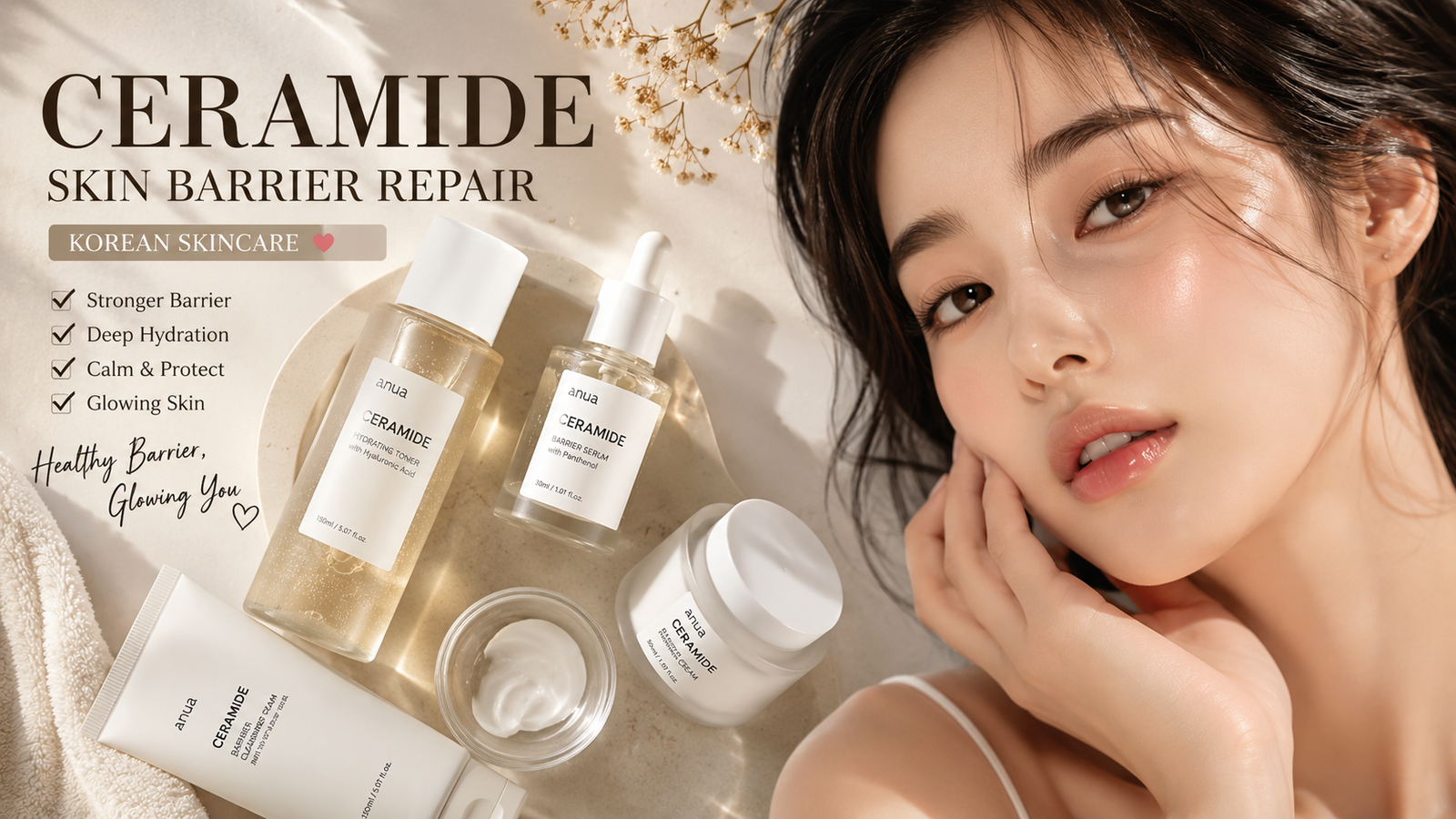
What Ceramides Are — The Skin’s Structural Lipids
Ceramides are a family of lipid molecules — waxy, fatty substances — that make up approximately 50% of the stratum corneum (the outermost layer of the skin). Alongside cholesterol and fatty acids, ceramides form the intercellular lipid matrix: the waterproof “mortar” that fills the spaces between skin cells and prevents the skin from functioning as a permeable membrane.
Without sufficient ceramides, the stratum corneum cannot maintain its structure. Water evaporates freely through the compromised barrier (elevated TEWL — transepidermal water loss), producing dehydration, tightness, and flakiness. Simultaneously, external irritants, allergens, allergens, and bacteria access the deeper skin layers more easily — producing sensitivity, redness, and inflammatory reactions that healthy-barrier skin would not experience.
This is not a cosmetic concern. Ceramide deficiency is the underlying mechanism of eczema (atopic dermatitis), psoriasis, and the barrier compromise that produces rosacea’s characteristic sensitivity. Topical ceramide supplementation has measurable clinical evidence behind it — not just marketing claims.
How the Skin Barrier Works
The stratum corneum functions on the “brick and mortar” model: corneocytes (dead skin cells) are the bricks, and the intercellular lipid matrix — ceramides, cholesterol, fatty acids — is the mortar. The ratio of these three lipid types matters: ceramides at approximately 50%, cholesterol at 25%, and fatty acids at 15% produce optimal barrier function. When ceramide content falls below this ratio — whether through ageing, hard water, over-cleansing, or genetic deficiency — the mortar degrades and the barrier becomes permeable.
The barrier also maintains the skin’s acid mantle: a thin, slightly acidic film (pH 4.5–5.5) that inhibits pathogenic bacterial growth. High-pH cleansers, hard water mineral deposits, and most Western soaps disrupt the acid mantle temporarily. A disrupted acid mantle takes 45–90 minutes to restore — during which time barrier function is measurably compromised. Korean low-pH cleansing and immediate ceramide application reduce this vulnerability window significantly.
Why UK Skin Loses Ceramides Faster
Types of Ceramides in Korean Skincare
Korean formulations typically specify ceramide types by number or name. The most clinically relevant are:
Ceramide NP (Ceramide 3) — the most abundant ceramide in human skin. The reference ceramide for barrier restoration. Present in most Korean ceramide formulations.
Ceramide AP (Ceramide 6-II) — supports desquamation (controlled skin cell shedding). Particularly relevant for skin with flaking or rough texture.
Ceramide EOP (Ceramide 1) — the longest-chain ceramide. Critical for maintaining overall barrier integrity and the lamellar body structure that organises the lipid matrix.
Products listing “ceramide complex” or “5 ceramide types” (as in the Torriden Ceramide Cream below) include multiple types simultaneously — providing more comprehensive barrier lipid replacement than single-ceramide formulations.
The Best Ceramide Products Available in the UK

Five ceramide types in the correct physiological ratio alongside cholesterol and fatty acids — the complete barrier lipid complex in one cream. Clinically tested for 120-hour hydration lock. The highest-concentration ceramide moisturiser on this list and our top recommendation for eczema-prone, very dry, or hard-water-damaged UK skin. Apply within 3 minutes of cleansing on damp skin — soak and seal method.
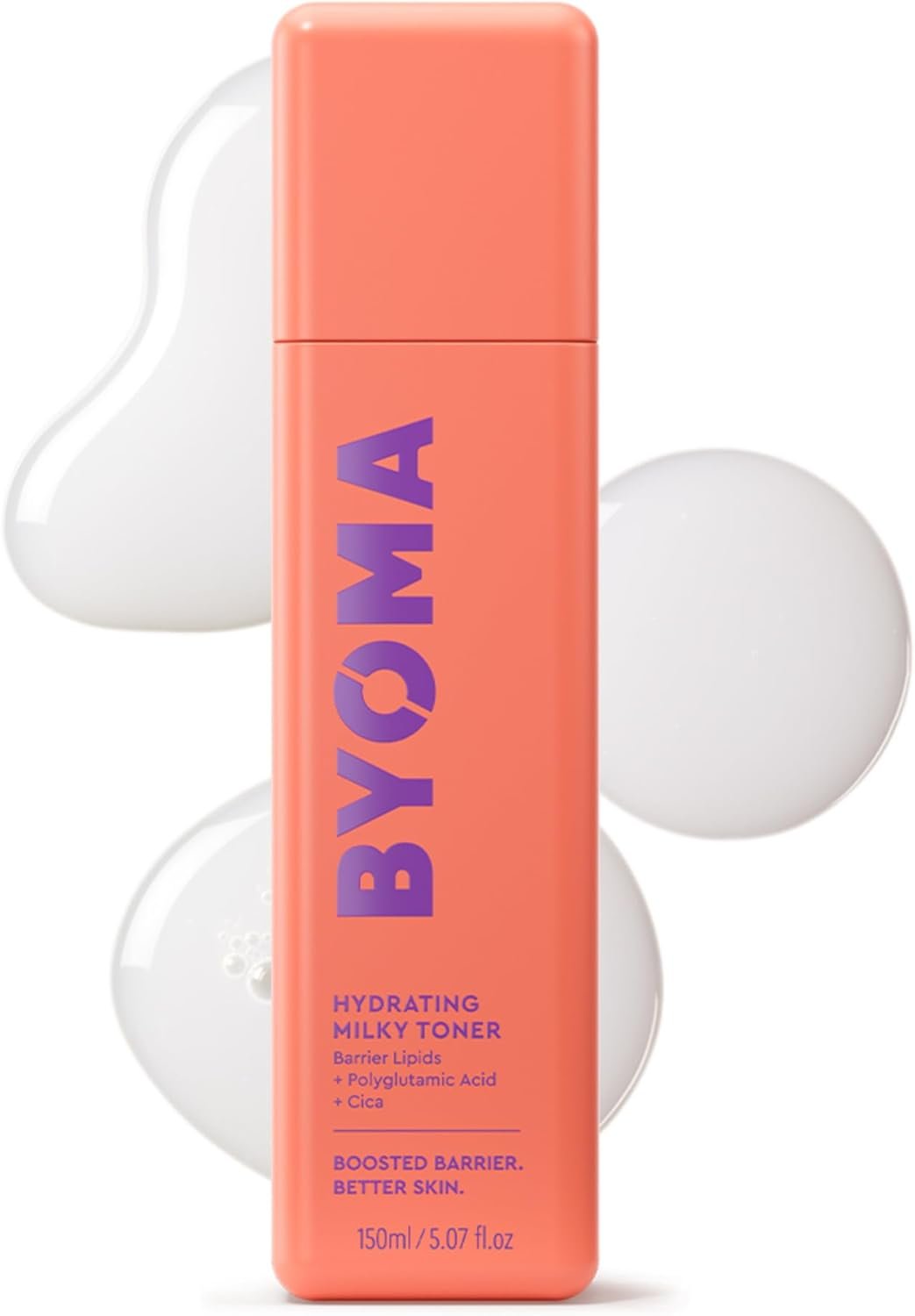
Ceramides, peptides, and cholesterol — the complete barrier lipid complex — delivered at the toner step, before serum and moisturiser. This is the most technically sophisticated application timing for ceramides: flooding the stratum corneum with barrier lipids immediately post-cleanse, at the moment of maximum permeability. 200ml at excellent value for twice-daily use.

Ceramide complex alongside panthenol (vitamin B5) — a combination that pairs barrier repair with accelerated wound healing. Panthenol is one of the few actives with strong evidence for reducing post-acne mark duration alongside ceramide barrier restoration. The choice for acne-prone skin that needs ceramide repair without risk of comedogenesis.

Deep sea water mineral replenishment alongside ceramide barrier repair — the product that directly counteracts the mineral depletion London hard water causes. Deep sea water provides the calcium, magnesium, and potassium that hard water washing removes, while ceramides rebuild the lipid barrier simultaneously. The most targeted UK hard water ceramide solution on this list.
Products above contain Amazon UK affiliate links. Full disclosure policy.
How to Layer Ceramides in a Korean Routine
The optimal ceramide delivery sequence:
Cleanse → apply ceramide toner (BYOMA Milky) within 30 seconds on damp skin → apply HA serum → apply ceramide moisturiser (Torriden or Round Lab) within 3 minutes → SPF (AM).
The ceramide toner at step one floods the stratum corneum with barrier lipids at maximum permeability. The ceramide moisturiser at the final step seals the underlying layers. This “ceramide sandwich” approach — first and last step — produces the fastest measurable barrier improvement of any application strategy.
Soak and seal timing: Apply ceramide cream while skin is still slightly damp from toner and serum — the moisture in the skin surface helps ceramide actives penetrate into the stratum corneum rather than sitting purely at the surface. Within 3 minutes of cleansing is the target window.