Guides Ingredients Routines Reviews About Free Skin Quiz →
Skin Concern Guide

The Korean Skincare Routine for Combination Skin in the UK (2026)

Combination skin is the most common skin type in the UK — oily T-zone, dry or normal cheeks, and seasonal variation that makes the same routine feel wrong in summer and winter. Korean skincare’s lightweight layering approach balances combination skin better than any other system: hydrating where needed without adding oil where it isn’t.

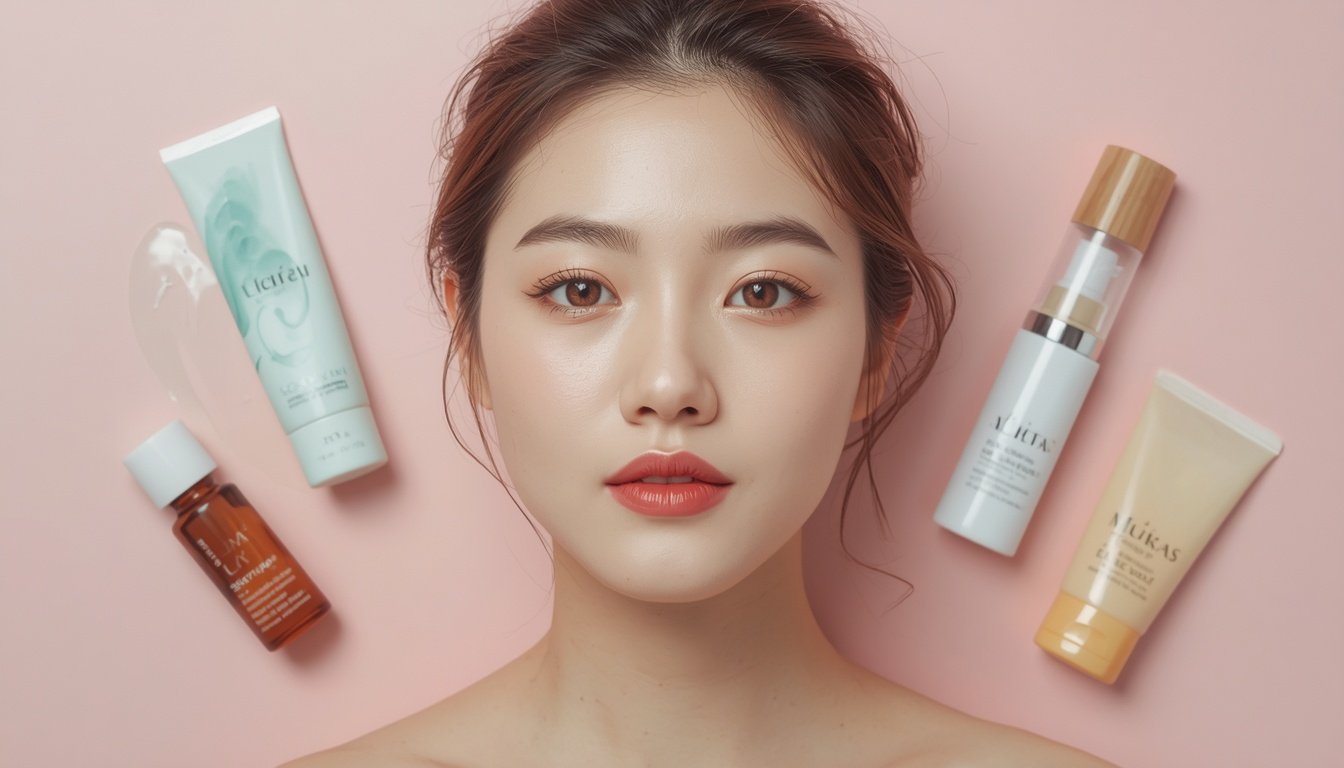
Korean skincare for combination skin UK 2026 — Qobey

What Combination Skin Actually Is

Combination skin is characterised by differential sebum production — oilier in the T-zone (forehead, nose, chin) and drier or more balanced on the cheeks. The T-zone has a significantly higher concentration of sebaceous glands than the cheek area. Most Western skincare addresses this through compromise — products light enough not to worsen oily zones, which means insufficient hydration for drier zones. Korean skincare’s layering approach solves this differently: lightweight water-based layers hydrate without adding oil anywhere.

UK Combination Skin Challenges

🇬🇧 Seasonal variation: UK combination skin is significantly more oily in summer and significantly drier on the cheeks in winter (central heating, low outdoor humidity). The same routine needs adjusting between seasons — heavier moisturiser on cheeks from October to March, lighter throughout summer. The Korean layering approach handles this better than a single-product Western moisturiser.
🇬🇧 Hard water and T-zone: London hard water strips ceramides, triggering compensatory sebum overproduction — particularly in the T-zone where sebaceous gland density is already higher. This makes UK combination skin oilier than it would be in soft water areas. Low-pH cleansing and adequate hydration reduce this sebum compensation response over 4–8 weeks.

The Korean Approach to Combination Skin

Hydrate everything — oily zones and dry zones alike. The dehydration-sebum cycle drives T-zone oiliness: when skin lacks water, sebaceous glands compensate with more oil. Properly hydrating the T-zone with lightweight water-based products reduces sebum production over time. This counter-intuitive principle separates Korean combination skin care from Western mattifying approaches.

01
Oil Cleanser — PM Only

Combination skin’s T-zone accumulates SPF and sebum that water-based cleansers cannot remove efficiently without harsh surfactants that trigger rebound oiliness. The oil balm dissolves these on contact with dry skin and emulsifies completely — no oily residue.

Banila Co · Cleansing Balm
Clean It Zero Original (180ml)
Emulsifies completely — leaves no oily residue that would add to T-zone oiliness. Removes SPF completely. The standard first PM cleanse for all skin types including combination and oily.
Amazon UK →
02
Low-pH Gel Cleanser — AM + PM

At pH 5–6, the second cleanse restores the acid mantle without triggering T-zone rebound oiliness. Gel formula provides adequate cleansing without stripping the drier cheek zones.

COSRX · Low-pH Gel Cleanser
Low pH Good Morning Gel Cleanser (150ml)
pH 5.0–5.5, BHA for mild T-zone pore management. 19,000+ ratings at 4.6/5. Cleans oily zones without stripping dry zones — the most validated low-pH cleanser for combination skin in UK testing.
Amazon UK →
03
Heartleaf Toner — AM + PM

A calming, anti-inflammatory toner applied full-face reduces T-zone sebum compensation while calming any redness in the dry zones. The heartleaf toner is lightweight enough for the T-zone without increasing oiliness and calming enough to soothe dry or irritated cheeks simultaneously.

Anua · Soothing Toner
Heartleaf 77 Soothing Toner (250ml)
77% heartleaf — anti-inflammatory and hydrating. Lightweight enough for T-zone without adding shine. Calming for drier cheek zones. The single toner that balances the differential needs of combination skin in one step.
Amazon UK →
04
HA Serum — AM + PM, on damp skin

Multi-weight HA applied to still-damp skin provides deep hydration across all zones without adding oil anywhere. This is the key step that interrupts the dehydration-sebum cycle in the T-zone — properly hydrated skin reduces compensatory oil production over 4–8 weeks.

Torriden · HA Serum
Dive-In Low Molecular Hyaluronic Acid Serum (50ml)
Five molecular weights of HA in a completely oil-free watery base. Hydrates T-zone and cheeks equally without adding oiliness. Apply across the full face and seal immediately with moisturiser.
Amazon UK →
05
Snail Mucin Essence — PM

Non-comedogenic snail mucin provides overnight repair and hydration without adding T-zone oiliness. The mild glycolic acid content provides gentle ongoing exfoliation that keeps T-zone pores clear overnight, while glycoprotein content repairs the barrier in drier cheek zones simultaneously.

COSRX · Snail Essence
Advanced Snail 96 Mucin Power Essence (100ml)
96% snail mucin — confirmed non-comedogenic for combination skin. Watery gel that doesn’t add heaviness to oily zones while repairing drier areas. Improves combination skin balance over 4–6 weeks of consistent PM use.
Amazon UK →
06
Lightweight Gel-Cream — AM + PM

For combination skin, the moisturiser should be a gel-cream providing adequate hydration for cheeks without creating heaviness in the T-zone. Apply lightly across the T-zone and more generously on cheeks — the layering approach allows zone-specific application that a single-product routine cannot.

Laneige · Gel-Cream
Water Bank Blue Hyaluronic Cream (50ml)
Five-weight HA in a lightweight gel-cream — 4.7/5 with specific praise for combination skin. Hydrates cheeks without overloading the T-zone. Light enough under SPF without pilling. In winter, supplement with a richer cream on cheeks only.
Amazon UK →
07
Korean SPF — AM Final Step

Korean SPFs are formulated for lightweight layering — they sit without pilling over gel-cream moisturisers and don’t add weight or shine to the T-zone. PA++++ provides full UVA protection for the UK’s year-round diffuse UVA environment.

Beauty of Joseon · SPF50+ PA++++
Relief Sun: Rice + Probiotics (50ml)
Dewy finish that works for combination skin — enhances the balanced appearance of properly hydrated skin without excessive shine. Non-comedogenic. Layers cleanly over the Laneige gel-cream.
Amazon UK →

UK Seasonal Adjustments for Combination Skin

October–March: Apply the Laneige gel-cream across the full face, then a small amount of a richer ceramide cream on cheeks only before SPF. T-zone remains lightly hydrated; cheeks get extra barrier support that central heating demands.

April–September: Laneige gel-cream alone is typically sufficient across all zones. If the T-zone becomes noticeably oilier in summer, reduce moisturiser quantity in that zone and rely more on the HA serum for hydration.

Products above contain Amazon UK affiliate links. Full disclosure policy.

Frequently Asked Questions

Should combination skin use a toner?
Yes — a lightweight calming toner is particularly important because it provides the baseline hydration that reduces T-zone compensatory oiliness without adding to it. The Anua Heartleaf 77 works across zones: anti-inflammatory for the T-zone, hydrating for the cheeks.
Can I use different moisturisers on different zones?
Yes — this is the Korean approach and it works better than a single compromise product. Laneige gel-cream on the T-zone and a richer ceramide cream on the cheeks in winter is a common and effective combination.
Why is my combination skin oilier in winter?
Counter-intuitively, central heating causes increased T-zone oiliness — low indoor humidity dehydrates skin, triggering compensatory sebum production. Increasing hydration through the HA serum and lightweight moisturiser typically reduces winter T-zone oiliness within 3–4 weeks.

Want a routine balanced for your combination skin?

Take our free 2-minute skin quiz for a personalised routine matched to your zones and UK climate.

Take the Free Quiz →