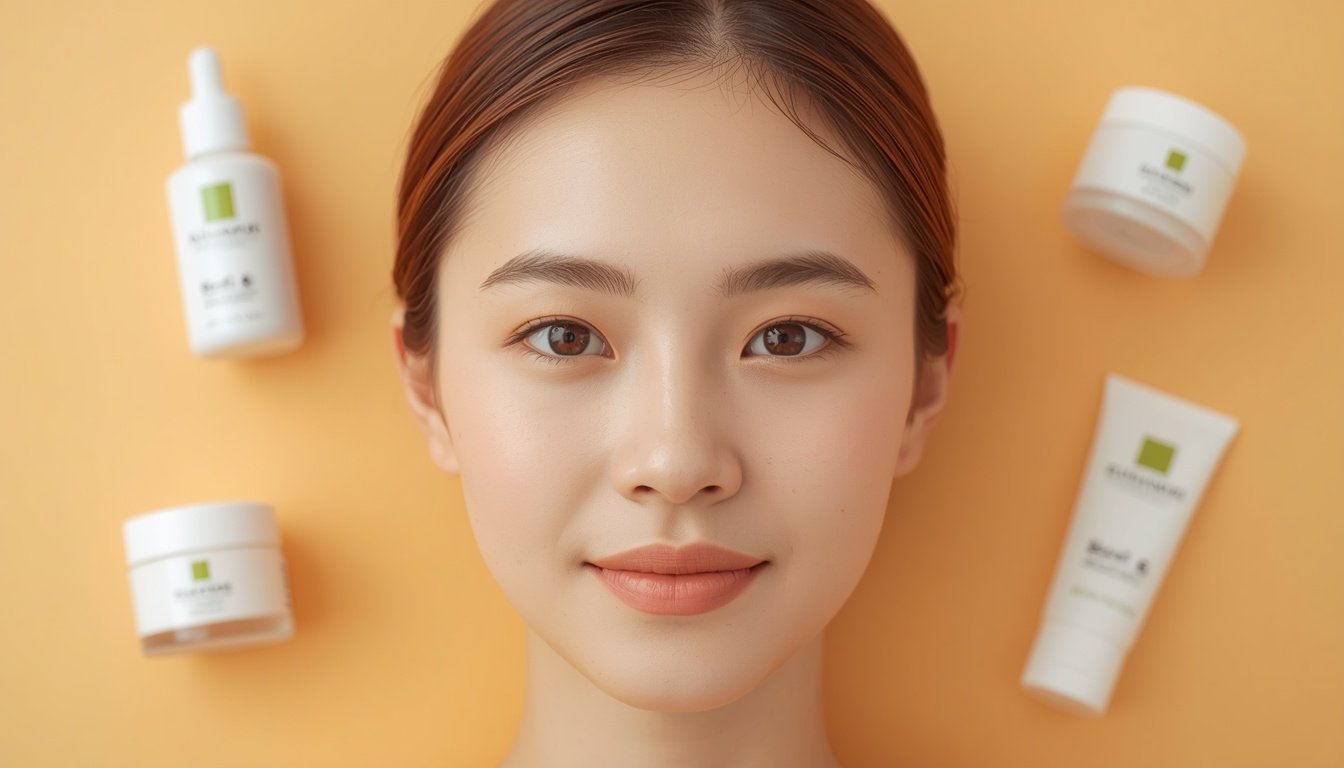
What Is Niacinamide?
Niacinamide is the amide form of vitamin B3 — a water-soluble vitamin that functions as a precursor to NAD+ and NADP+, coenzymes essential to hundreds of metabolic processes in the body. In skin specifically, niacinamide plays a direct role in cellular energy metabolism, DNA repair, and the synthesis of ceramides and other barrier lipids.1
Topical niacinamide has been studied in cosmetic dermatology since the 1970s, with a substantial body of peer-reviewed clinical evidence accumulated across skin brightening, pore size, sebum production, barrier function, and ageing. It is one of the few cosmetic actives for which the clinical evidence is genuinely robust — not just industry-funded studies, but independent academic research across multiple institutions and populations.
Korean cosmetic chemists embraced niacinamide early and at meaningful concentrations — most Korean formulas use 4–5%, compared to many Western products that list niacinamide at sub-effective concentrations for marketing rather than clinical benefit. The COSRX, Some By Mi, and Beauty of Joseon ranges are among the best examples of niacinamide formulated to work rather than to be listed.
Niacinamide Benefits: What It Does for Skin
Pore minimising. At 2% and above, niacinamide reduces the visible size of enlarged pores by improving skin elasticity around the pore opening and reducing sebum production within the follicle. A randomised controlled trial showed statistically significant pore size reduction after eight weeks of twice-daily 5% niacinamide versus placebo. The effect is real and measurable — not optical illusion.
Brightening and pigmentation reduction. Niacinamide inhibits melanosome transfer — the process by which melanin (pigment) produced in melanocyte cells is transferred to surrounding keratinocytes where it becomes visible as dark spots. At 5%, niacinamide reduces post-inflammatory hyperpigmentation (the red or brown marks left after acne) and uneven pigmentation from UV exposure within four to eight weeks. It does not bleach or reduce melanin production — it reduces transfer, which is a more targeted and gentler mechanism.
Sebum regulation. Niacinamide reduces sebum excretion at the gland level. Oily skin benefits most from this — clinical studies show measurable reduction in surface sebum after four weeks at 2% concentration. For combination skin, it selectively calms oily zones without over-drying the drier areas.
Barrier repair. Niacinamide stimulates ceramide synthesis in skin cells — the same lipid barrier building blocks depleted by hard water exposure and over-cleansing. This is why niacinamide features prominently in barrier-repair formulas alongside ceramide and centella actives. It is not just a brightening ingredient — it actively supports the structural integrity of the skin barrier.
Anti-ageing. Multiple studies show niacinamide reduces fine lines, improves skin elasticity, and reduces the appearance of wrinkles at concentrations of 5%. The mechanism involves improved barrier function, antioxidant activity, and DNA repair support in skin cells.
Niacinamide Concentration — Why 5% Is the Korean Standard
Niacinamide is effective across a range of concentrations, but the clinical evidence clusters around specific percentages:
- 2%: Measurable pore reduction and sebum regulation. Good starting point for sensitive skin.
- 5%: The concentration at which all documented benefits are consistently observed — pores, brightening, oil control, barrier repair. The Korean industry standard and our recommendation for most users.
- 10%: The Western high-concentration approach (popularised by The Ordinary). No additional benefits over 5% in clinical literature. Associated with a higher rate of skin flushing in sensitive individuals. Some studies suggest the excess is simply excreted rather than utilised.
Niacinamide for UK Skin Specifically
Who Should Use Niacinamide
Oily and combination skin benefit most from the sebum regulation and pore minimising mechanisms — niacinamide is arguably the single most important active for these skin types.
Acne-prone skin benefits from sebum reduction (less food for acne-causing bacteria) and the post-breakout brightening that reduces mark duration.
Ageing skin benefits from the barrier repair, brightening, and anti-ageing mechanisms — niacinamide is one of the few actives with credible anti-ageing evidence that is also suitable for daily use.
Dry skin benefits from the ceramide-stimulating barrier repair — though other ingredients (ceramides, centella, HA) are more primary for dry skin and niacinamide works best as a supporting active.
Sensitive skin — use at 2–5%, not 10%. Niacinamide is generally well tolerated but occasionally causes temporary flushing (redness) at high concentrations in sensitive individuals.
How to Use Niacinamide in a Korean Routine
Niacinamide is one of the most routine-friendly actives in skincare — it plays well with almost everything and can be used morning and evening without risk of over-use.
Placement: Apply after cleansing and toning, before heavier serums, essence, and moisturiser. Niacinamide is water-soluble and penetrates best when applied early in the routine, before oil-based or heavier products.
Morning use: Particularly effective in the morning — the sebum regulation effect helps control shine throughout the day, and applying before SPF means the niacinamide barrier-repair function works alongside UV protection.
Evening use: Also effective — the brightening mechanism works during skin repair cycles overnight. If using retinol in the evening, niacinamide can be applied before the retinol to support barrier function and reduce potential irritation.
Pairing: Niacinamide pairs exceptionally well with zinc (reduces oiliness further), ceramides (complementary barrier repair), hyaluronic acid (hydration without interference), and centella (complementary soothing and repair). It is also safe with vitamin C — the niacin flushing concern from pairing niacinamide with vitamin C in cosmetic formulas has been disproven at the concentrations found in skincare products.
Best Niacinamide Products Available in the UK
Above links are Amazon UK affiliate links. Full disclosure policy.
Reading Niacinamide on Ingredient Labels
- Niacinamide — the only correct INCI name. There are no synonyms used in cosmetic labelling. If you see “Vitamin B3” on marketing material, the INCI list should still read “Niacinamide”.
- Position matters for concentration: At 5%, niacinamide typically appears within the first six to eight ingredients. If it appears after position ten, the concentration is likely below 2% and the clinical benefits will be limited.
- Nicotinamide is the same ingredient — the pharmacological and biochemical literature uses “nicotinamide” while cosmetic labelling uses “niacinamide.” These refer to the identical molecule and are interchangeable.
- Niacin is not the same — niacin (nicotinic acid) is a different form of vitamin B3 that causes significant skin flushing and is not used in cosmetic skincare. The confusion between niacin and niacinamide is the source of flushing concerns — niacinamide itself very rarely causes flushing at standard cosmetic concentrations.
Niacinamide — Frequently Asked Questions
Want a routine built for your skin type?
Take our free 2-minute skin quiz for a personalised Korean routine including niacinamide products matched to your skin concerns and UK conditions.
Take the Free Quiz →